The Ecommerce Platform Battle: Why Shopify Continues to Dominate
When you’re choosing an ecommerce platform for your business, the sheer number of options can overwhelm even experienced entrepreneurs. While platforms like WooCommerce, Magento, and BigCommerce each claim superiority, Shopify has captured 10.3% of the global ecommerce market share according to BuiltWith data from 2024.
This dominance didn’t happen overnight. Behind Shopify’s success lies a combination of strategic decisions, user-focused design, and continuous innovation that addresses real pain points other platforms ignore.
After auditing over 300 online stores across different platforms, I’ve seen firsthand why certain platforms consistently outperform others. The answer isn’t just about features — it’s about how those features translate into actual business growth.
What Are the 4 Types of E-commerce?
Understanding ecommerce types helps you choose the right platform architecture for your specific business model. The four primary categories each demand different technical capabilities and user experiences.
Business-to-Consumer (B2C) represents the most familiar ecommerce model. Companies like Nike, Apple, and thousands of Shopify stores sell directly to individual customers. These platforms prioritize seamless checkout experiences, mobile optimization, and inventory management for consumer goods.
Business-to-Business (B2B) involves companies selling to other businesses. B2B ecommerce often requires complex pricing structures, bulk ordering capabilities, and integration with procurement systems. Shopify Plus excels here with features like customer-specific pricing and approval workflows.
Consumer-to-Consumer (C2C) platforms enable individuals to sell to each other. Think eBay, Etsy, or Facebook Marketplace. These marketplaces need robust user verification, dispute resolution systems, and seller tools.
Consumer-to-Business (C2B) represents the newest model where individuals sell services or content to companies. Freelance platforms, stock photo sites, and influencer marketplaces fall into this category. These platforms require portfolio showcases, bidding systems, and project management tools.
Each type demands different platform capabilities, which explains why one-size-fits-all solutions often fall short for specialized use cases.
Is Shopify an E-commerce Platform?
Yes, Shopify is fundamentally an ecommerce platform, but calling it just that undersells its comprehensive ecosystem. Shopify operates as a Software-as-a-Service (SaaS) ecommerce platform that handles hosting, security, updates, and core functionality automatically.
Unlike self-hosted solutions like WooCommerce or Magento, Shopify manages the technical infrastructure while you focus on growing your business. This hosted approach means you don’t need to worry about server maintenance, security patches, or performance optimization — critical advantages for business owners who want to sell products, not manage servers.
Shopify’s platform includes several key components that distinguish it from competitors:
- Store builder with drag-and-drop themes and customization options
- Payment processing through Shopify Payments and 100+ third-party gateways
- Inventory management with real-time tracking and automatic low-stock alerts
- Order fulfillment integration with major shipping carriers and 3PL providers
- Marketing tools including email automation, SEO optimization, and social media integration
- Analytics dashboard providing detailed sales, customer, and performance insights
The platform also extends beyond traditional ecommerce through Shopify POS for in-person sales, Shopify Plus for enterprise clients, and the Shopify App Store with over 8,000 third-party integrations.
What makes Shopify particularly powerful is its API-first architecture. This allows developers to build custom applications, headless commerce solutions, and complex integrations while maintaining the platform’s core stability and security.
Why Is Shopify Falling?
The narrative that “Shopify is falling” stems from temporary market corrections rather than fundamental platform weaknesses. Shopify’s stock price declined significantly in 2022, dropping from its pandemic highs of over $1,700 to around $300-400 per share.
This decline reflected broader market conditions rather than platform performance issues. Shopify’s Gross Merchandise Volume (GMV) reached $197.2 billion in 2023, representing continued growth despite economic headwinds. The company’s monthly recurring revenue from subscriptions grew 25% year-over-year, indicating strong platform adoption.
Several factors contributed to the perception of decline:
- Post-pandemic normalization: Ecommerce growth rates returned to pre-COVID levels after explosive pandemic growth
- Increased competition: Platforms like Square, Wix, and emerging headless solutions gained market share
- Rising advertising costs: Facebook and Google ad costs increased, impacting merchant profitability across all platforms
- Economic uncertainty: Inflation and recession fears reduced consumer spending and business investment
However, Shopify’s fundamentals remain strong. The platform processes over $5.6 billion in GMV monthly and powers more than 1.75 million businesses globally. Recent product launches like Shopify Markets for international expansion and improved B2B capabilities demonstrate continued innovation.
The real challenge isn’t platform decline but market maturation. As ecommerce becomes standard rather than revolutionary, platforms must compete on execution quality rather than just existence. This shift actually favors established players like Shopify with proven track records and extensive ecosystems.
Who Is Shopify’s Biggest Competitor?
Identifying Shopify’s biggest competitor depends on market segment and business size, but WooCommerce holds the largest overall market share at 28.24% according to BuiltWith data. However, this comparison requires important context about how these platforms serve different needs.
WooCommerce’s higher market share reflects its free, open-source nature and integration with WordPress, the world’s most popular content management system. Many small businesses and bloggers choose WooCommerce because it appears “free” initially, though total cost of ownership often exceeds Shopify when factoring in hosting, security, maintenance, and premium extensions.
For mid-market and enterprise businesses, the competitive landscape looks different:
Magento Commerce (Adobe Commerce) competes directly with Shopify Plus in the enterprise space. Magento offers extensive customization capabilities and multi-store management features that appeal to large retailers with complex requirements. However, Magento requires significant technical expertise and higher development costs.
BigCommerce positions itself as the “API-first” alternative to Shopify, targeting businesses that want built-in features without app dependencies. BigCommerce includes advanced SEO tools, multi-channel selling, and no transaction fees in their base plans. Their enterprise solution competes with Shopify Plus on features but lacks Shopify’s ecosystem depth.
Squarespace Commerce appeals to design-conscious businesses wanting beautiful templates with basic ecommerce functionality. While limited compared to Shopify’s capabilities, Squarespace excels for creative professionals and small businesses prioritizing aesthetics over advanced features.
The real competition increasingly comes from specialized solutions rather than general platforms. Headless commerce providers like Commercetools, modern checkout solutions like Fast (before its closure), and vertical-specific platforms challenge different aspects of Shopify’s offering.
What keeps Shopify competitive isn’t just feature parity but ecosystem strength. The combination of reliable hosting, extensive app marketplace, active developer community, and proven scalability creates switching costs that protect market share even when competitors offer attractive alternatives.
Small Daily Improvements Lead to Big Results in Platform Selection
Choosing the right ecommerce platform isn’t about finding perfection immediately — it’s about selecting a foundation that enables continuous optimization and growth. The most successful online stores I’ve worked with share a common approach: they make incremental improvements consistently rather than seeking dramatic overhauls.
Shopify’s architecture supports this philosophy through its modular app ecosystem. Instead of rebuilding entire systems, you can add functionality gradually as your business requirements evolve. This approach reduces risk while allowing for sophisticated capabilities over time.
Why Small Changes Lead to Big Consequences in Ecommerce
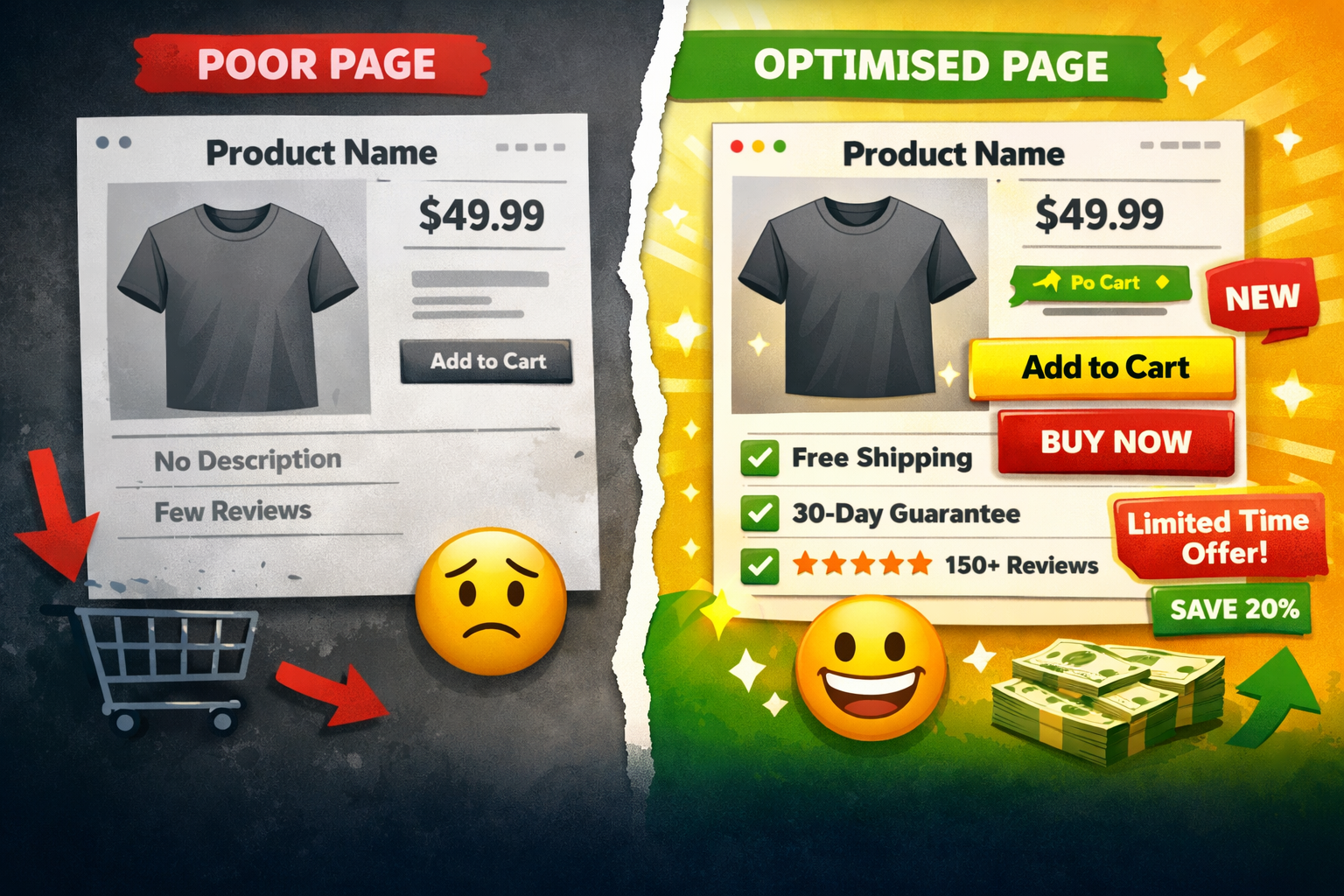
Platform choice creates compound effects throughout your business operations. A 0.1-second improvement in page load time can increase conversion rates by 8% according to Akamai research. Shopify’s hosted infrastructure and CDN automatically optimize performance, while self-hosted solutions require manual optimization.
Payment processing integration demonstrates how minor technical decisions impact major business outcomes. Shopify Payments reduces checkout friction by eliminating redirects to third-party processors, typically improving conversion rates by 2-3% compared to external payment solutions.
How Small Progress Leads to Big Results
The most successful Shopify stores grow through systematic optimization rather than revolutionary changes. A typical growth trajectory involves:
- Month 1-3: Basic store setup with optimized product pages and checkout flow
- Month 4-6: Email marketing automation and customer segmentation implementation
- Month 7-12: Advanced analytics, A/B testing, and conversion optimization
- Year 2+: Custom development, advanced integrations, and multi-channel expansion
This gradual approach works because Shopify’s platform stability allows you to build on previous improvements without breaking existing functionality. Self-hosted platforms often require rebuilding optimizations after major updates or security patches.
The Real Reason Shopify Dominates
Beyond features and pricing, Shopify succeeds because it solves the cognitive load problem that overwhelms business owners evaluating ecommerce platforms. Instead of forcing decisions about hosting, security, payment processing, and dozens of other technical considerations, Shopify provides sensible defaults that work for most businesses.
This approach doesn’t eliminate customization options — it makes customization easier by establishing a stable foundation. You can still build unique experiences through themes, apps, and custom development, but you’re not responsible for maintaining the underlying infrastructure.
The platform’s success also reflects its understanding of the modern ecommerce ecosystem. Shopify doesn’t try to build every feature internally. Instead, it creates an environment where third-party developers can extend functionality while maintaining core platform stability.
This ecosystem approach explains why Shopify often outperforms platforms with superior individual features. The combination of reliable hosting, extensive integrations, active community, and continuous updates creates value that exceeds the sum of its parts.
Ready to Optimize Your Ecommerce Platform Performance?
Whether you’re currently on Shopify or considering a platform migration, the key to ecommerce success lies in systematic optimization rather than platform switching. Our conversion rate optimization audits reveal exactly where your current setup is losing revenue and provide actionable improvements that typically increase conversion rates by 15-30% within 60 days.
Get a comprehensive CRO audit that analyzes your checkout flow, page speed, mobile experience, and user journey optimization opportunities. We’ll show you which platform capabilities you’re underutilizing and how to implement changes that drive measurable revenue growth.
Get a Free CRO Audit
Find exactly where your Shopify store is losing revenue.