
Headless development · Saint Paul, Minnesota
Shopify Headless Development in Saint Paul, Minnesota for Brands That Have Outgrown Their Theme
Break free from theme limits without leaving Shopify. We build custom storefronts on Hydrogen or Next.js for Saint Paul Shopify Plus brands, connected to Shopify’s Storefront API, for sub-second load times and complete design freedom — while Shopify still handles your checkout, inventory and orders exactly as it does today.
![]()
5.0 on Shopify Partners · Premier Verified on Clutch
Who this is for
Signs your Minnesota store is ready to go headless
- 01
Theme limits
Your design is boxed in
Every layout is negotiated with Liquid sections and app blocks, and the interaction you actually want never quite ships.
- 02
Speed
Product pages take seconds
Theme bloat and stacked apps push core pages to multi-second loads on mobile — where most Minnesota shoppers are.
- 03
Seasonality
Peak traffic makes you nervous
the holiday peak, winter outdoor season and the state fair spike overnight, and a Liquid theme with an app stack often can’t keep up.
- 04
Omnichannel
You need more than a website
A mobile app, in-store kiosk or marketplace listing that shares one catalog and one cart, without duplicating product data anywhere.
- 05
Maintenance
Apps fight your theme
Theme updates break app blocks, app updates break the theme, and nobody owns a clean, versioned codebase.
- 06
Custom ux
You want interactions themes can’t do
Configurators, personalized merchandising, rich search — experiences a template can only approximate.
What’s included
Everything a headless build requires in Minnesota
A headless project is more than a frontend rewrite. Here’s the full scope of what has to come together for Minnesota Shopify Plus brands. Still on a standard theme and not sure headless is the answer? See our Shopify Plus development service .
- 01
Custom frontend development
Component-based architecture on Hydrogen or Next.js, pixel-matched to your design files and tested on real devices.
- 02
Storefront API integration
GraphQL Storefront API setup, cart and checkout handoff, and real-time inventory and pricing.
- 03
Discovery & architecture
Data model, channels and design requirements mapped, and Hydrogen vs Next.js decided before any code is written.
- 04
Performance optimization
SSR and edge caching strategy, image and asset optimization, and Core Web Vitals monitoring on every template.
- 05
Headless cms integration
Page content managed in a headless CMS while products, inventory and orders stay in Shopify admin.
- 06
Cart & checkout handoff
Cart logic and account flows connected and tested end to end, with checkout staying on Shopify.
- 07
Omnichannel expansion
The same Shopify catalog and cart logic extended to a mobile app, kiosk or marketplace listing.
- 08
Custom checkout extensions
Checkout UI extensions and Functions on Shopify Plus, built to work with the headless storefront.
- 09
Migration from theme
Redirects, SEO parity and content moved across so rankings and revenue hold through the switch.
- 10
Post-launch monitoring
Performance regressions, API errors and deployment issues watched closely for the first weeks after launch.
The guarantee · minnesota
Headless without the usual risks
- Zero Checkout Risk
- Zero Admin Disruption
- Zero Vendor Lock-In
Checkout, payments and fraud protection stay entirely on Shopify — going headless changes your frontend, not your compliance surface. Your Minnesota team keeps managing products, inventory and orders in the exact same Shopify admin, and the frontend codebase is yours: clean, documented and portable, not hidden behind a proprietary page builder.
- 100%
- Checkout Uptime
- 50+
- Headless Builds Shipped
- 98+
- Avg. Lighthouse Score
Shopify
Storefront API
React
Next.js
Remix
Vercel
How it’s connected
One backend, any frontend
- Same Shopify Checkout
- Full Design Freedom
- Sub-Second Load Time
Your storefront and your commerce engine become two independent pieces, connected by an API instead of a template. A custom frontend on Hydrogen or Next.js pulls every product, price and collection straight from Shopify’s Storefront API, while Shopify keeps handling checkout, inventory and order management exactly as it always has — and the same catalog can feed a web store, a mobile app and a kiosk.
- <1s
- Avg. Page Load Time
- 3
- Channels From One Catalog
React
Next.js
Remix
Vercel
Sanity
Contentful
Why Aqsa
Why Minnesota brands choose us for headless
Here’s what changes when the frontend is built from scratch instead of assembled from a theme and app stack.
- 01
Speed
Sub-second by design
SSR, edge caching and a minimal payload, tuned until every page hits its Lighthouse target — not just the homepage.
- 02
Freedom
Any layout, any interaction
React components instead of Liquid sections, so the experience you designed is the one that ships — pixel-matched to your files.
- 03
Ownership
A codebase you own
Clean, versioned and documented — no app conflicts, no theme-update roulette, and no proprietary builder holding it hostage.
How we work
Our Shopify Headless Process
A fixed six-step process so architecture, integration and performance all get equal attention, with nothing left to guesswork.
Discovery and architecture planning
We map your data model, channels and design requirements, and decide on Hydrogen vs Next.js before any code is written. Discovery calls are scheduled in Central Time to fit Minnesota business hours.
Week 1–2API and data modeling
Storefront API queries are mapped against your catalog structure — variants, metafields and collections included.
Week 2–3Frontend development
The custom storefront is built component by component, matched to your design files and tested in a live sandbox weekly.
Week 3–8Backend integration and testing
Cart, checkout handoff and account flows are connected and tested end to end against a real Shopify store.
Week 8–10Performance optimization
Caching, image delivery and rendering strategy are tuned until every page hits target Lighthouse scores, not just the homepage.
Week 10–12Launch and monitoring
The storefront goes live, and we monitor performance and API errors closely for the first weeks after launch.
Week 12+Our team
The team behind your headless build
Every project is handled by dedicated specialists, not a single generalist juggling every role.
- 01
Headless architect
Designs the data model and API strategy, and decides between Hydrogen and Next.js based on your requirements.
- 02
Frontend engineer
Builds the custom storefront component by component, matched precisely to your design files.
- 03
Shopify API integration specialist
Connects Storefront API queries, cart logic and checkout handoff so data stays accurate everywhere.
- 04
Performance engineer
Tunes caching, rendering and asset delivery until every page hits target Core Web Vitals scores.
- 05
Qa engineer
Tests every flow — cart, checkout handoff, account and search — across devices before launch.
- 06
Project manager
Handles communication with every stakeholder, gathers requirements, and controls the process end to end.
Engagement options
Pick the build that fits
Every project is scoped individually — these are starting points, not fixed packages.
A custom storefront on Hydrogen or Next.js for a single sales channel.
$15,000 starting
Scoped individually · fixed price after discovery
- Custom frontend on Hydrogen or Next.js
- Storefront API integration
- 8–10 week timeline
- 2 weeks post-launch monitoring
Most common
Complete headless storefront with custom performance optimization and CMS integration.
$28,000 starting
Scoped individually · fixed price after discovery
- Full custom storefront build
- Headless CMS integration
- Performance optimization to 90+ score
- 10–14 week timeline
Multi-channel headless delivery across web, mobile app and in-store kiosk.
$50,000 starting
Scoped individually · fixed price after discovery
- Web, app & kiosk from one catalog
- Custom checkout extensions
- Advanced API & integration work
- Dedicated engineering relationship
Proof
Real builds. Verified numbers.
Every number here is verified with the brand it belongs to.
- 01Read the case study
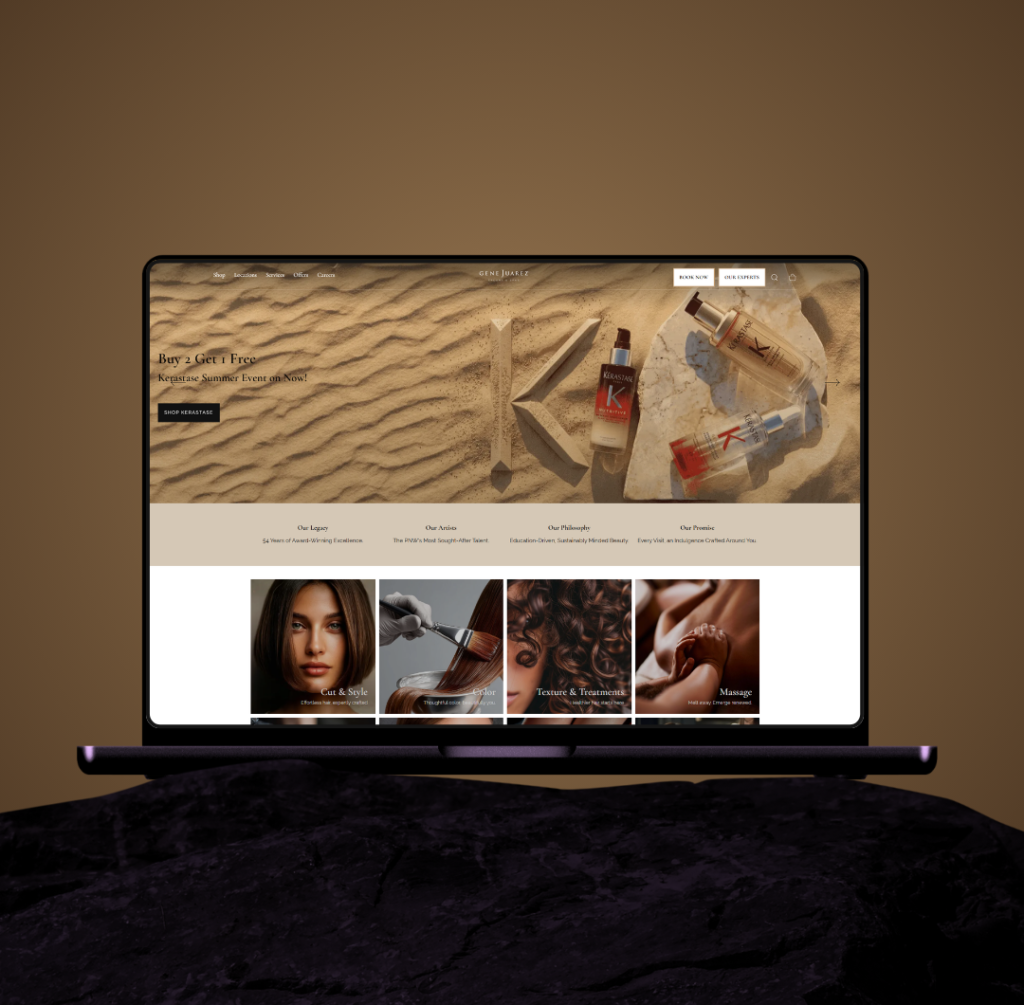
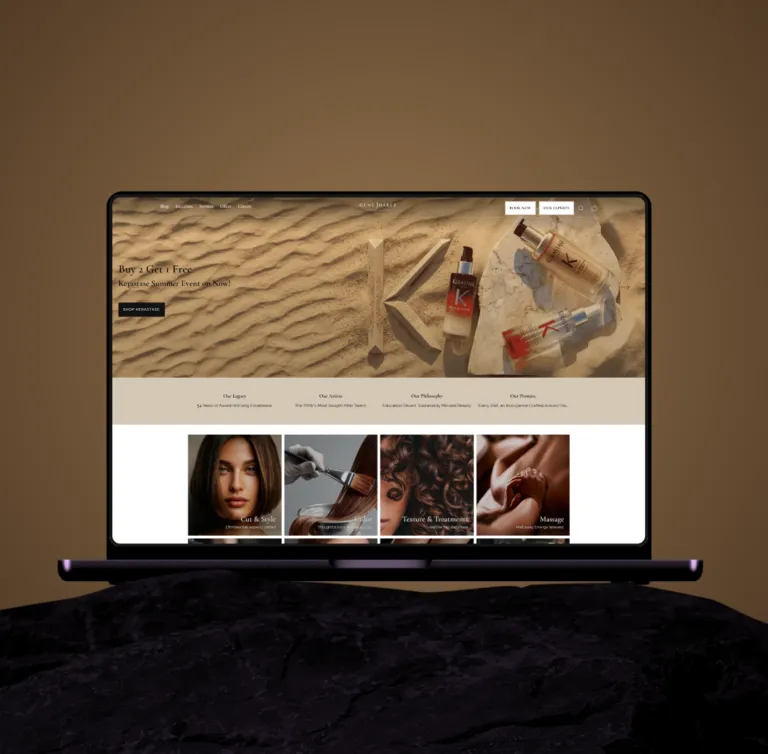
Gene Juarez
- Case study
The Zenoti booking integration most agencies declined — retail and salon booking unified on Shopify Plus.
- 02Read the case study
GetKif
- Case study
Figma to fully custom Shopify theme: pixel-perfect, fast, and editable end-to-end from the Theme Customizer.
Where we work
Shopify headless development across Minnesota
We work remotely with Minnesota merchants, with calls scheduled in Central Time. Most headless engagements run with teams in these markets.
- 01
Minneapolis
Retail HQs, CPG & healthcare
- 02
Saint Paul
Government & manufacturing
- 03
Rochester
Healthcare & medical devices
- 04
Duluth
Outdoor & port logistics
recent work
Case studies from real Shopify Plus builds.
A snapshot of stores we’ve shipped. Every number here is verified and client-approved.
Coco Lash
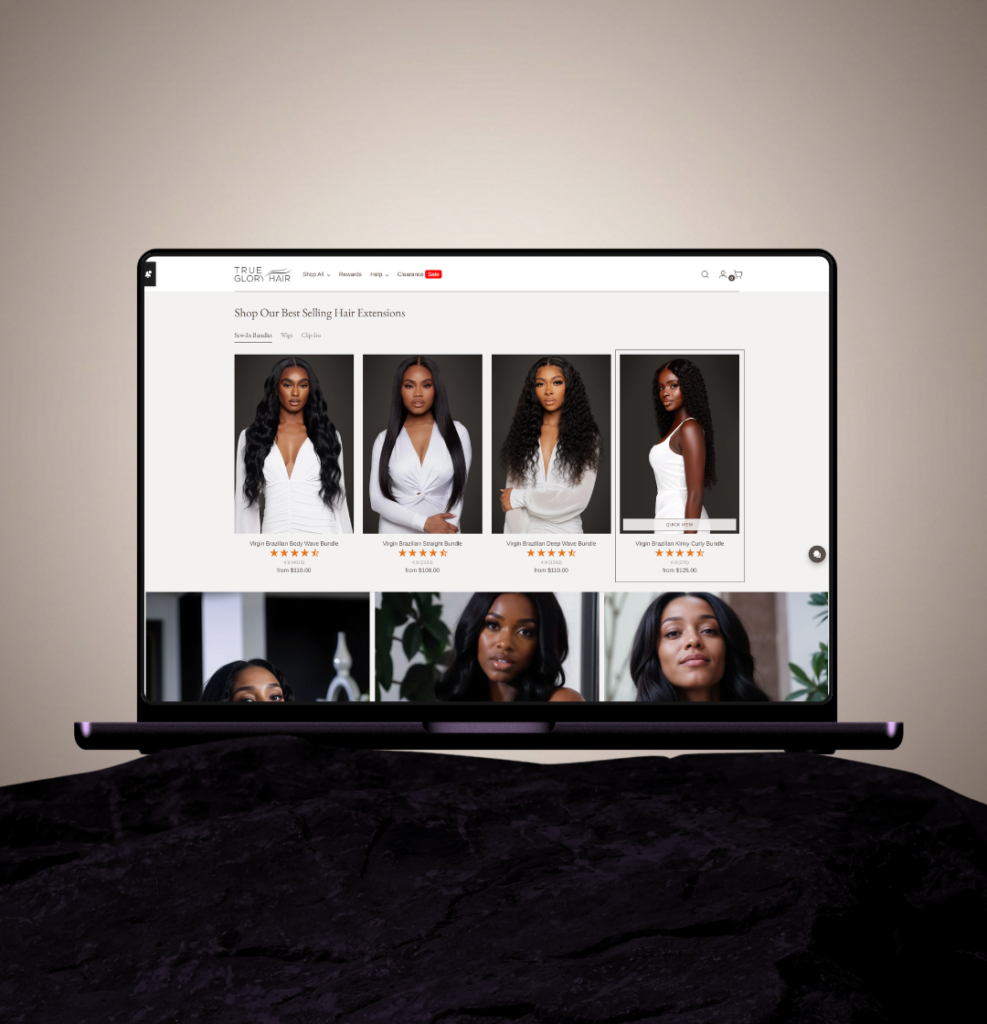
True Glory Hair
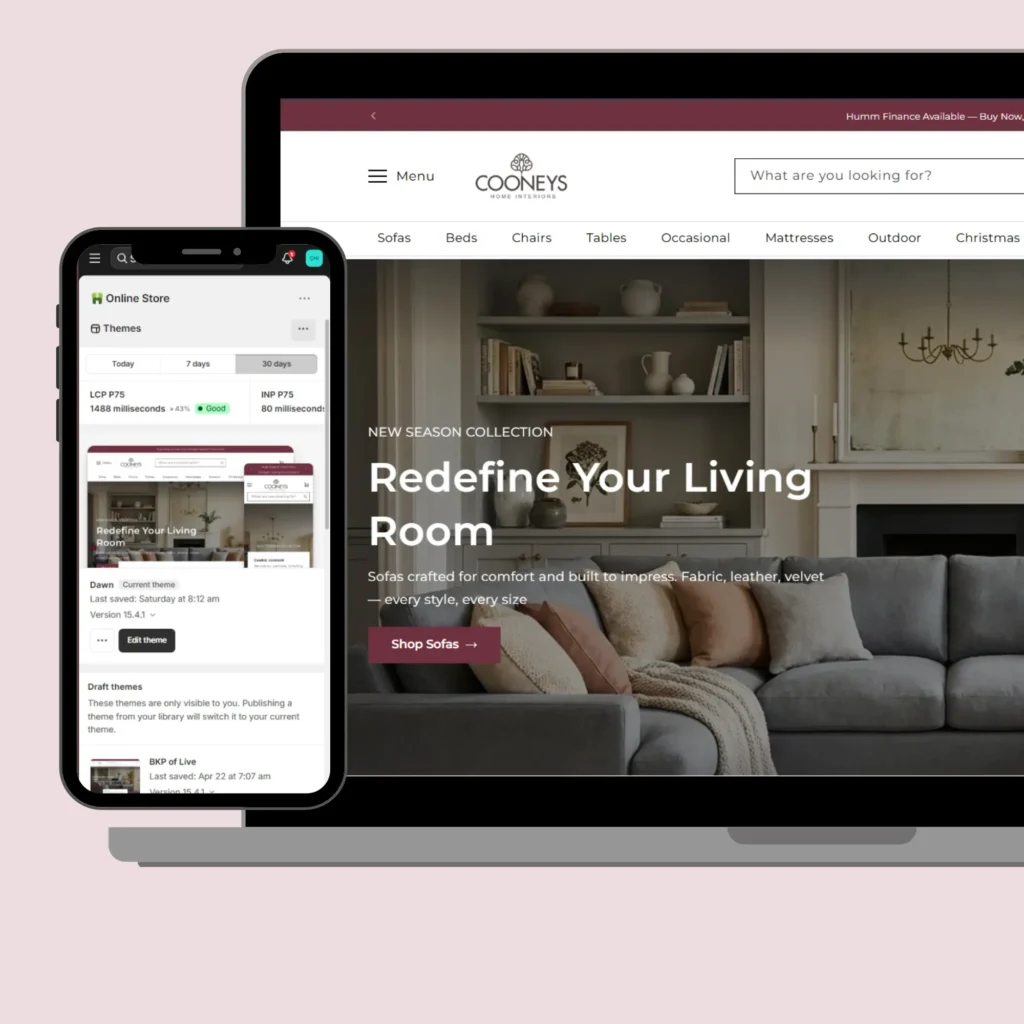
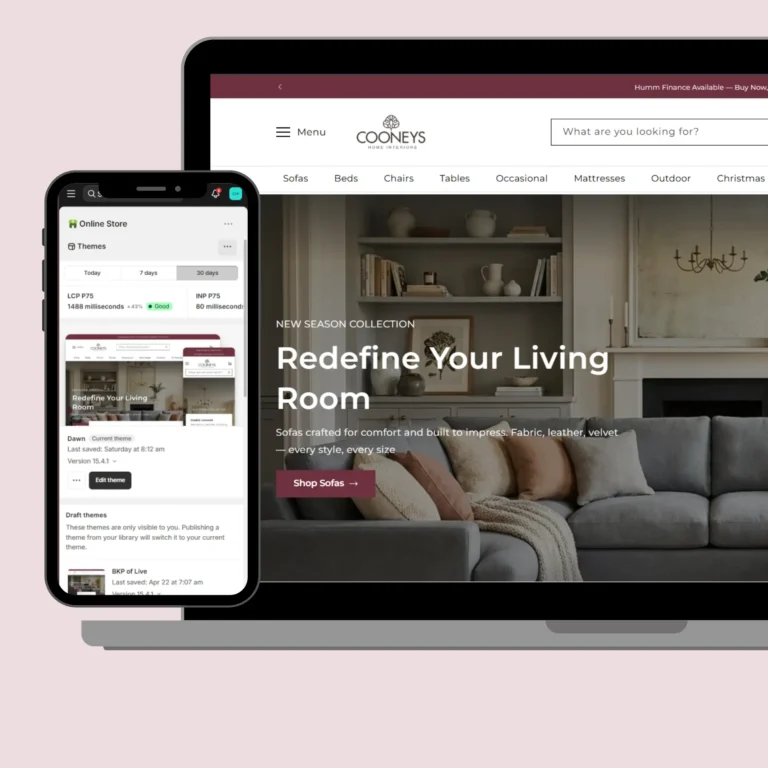
Cooney's Home Interiors
Gene Juarez
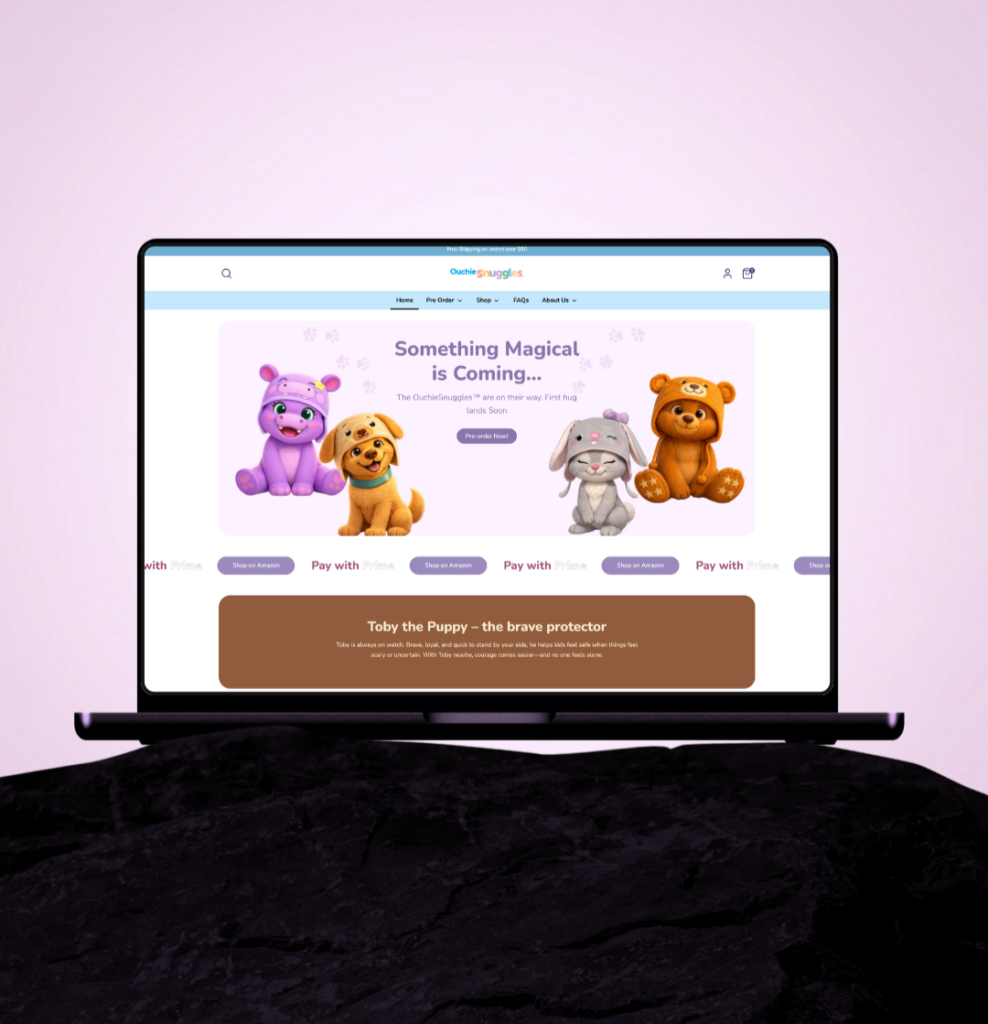
OuchieCap
GetKif
Frequently asked questions.
What is Shopify headless development?
Headless development separates your storefront (what customers see) from Shopify’s backend (checkout, inventory, orders). A custom frontend, built on Hydrogen or Next.js, pulls data through Shopify’s Storefront API, while Shopify still handles checkout, payments and order management.
Do I still use Shopify to checkout with a headless build?
Yes. Checkout stays on Shopify’s domain and infrastructure. The frontend changes, not the compliance and payments layer.
Is headless worth it for a smaller store?
It depends on growth plans and traffic patterns. We scope this honestly during discovery rather than sell a build you don’t need yet.
How much faster is a headless storefront?
Most rebuilds land in the sub-second range for core pages, versus multi-second loads common on heavy theme and app stacks.
What frameworks do you build headless storefronts on?
Primarily Shopify Hydrogen and Next.js, depending on your catalog complexity and your team’s technical preferences.
How long does a headless build take?
Typically 8–14 weeks depending on scope, from a single-channel storefront to a full omnichannel build.
How much does Shopify headless development cost?
Projects start around $15,000 and scale with scope. See the engagement options on this page for starting points.
Can my team still manage products and content?
Yes. Your team keeps using the same Shopify admin for products, inventory and orders.
Do I need Shopify Plus for a headless build?
Not always required, but most headless builds pair naturally with Shopify Plus for the API limits and checkout customization it unlocks.
What happens after launch?
We monitor performance and API errors closely for the first weeks post-launch, then hand off a clean, documented codebase.
Do you work with Shopify merchants based in Saint Paul?
Yes. We work with Shopify and Shopify Plus merchants in Saint Paul and across Minnesota — Minneapolis, Saint Paul, Rochester and Duluth — remotely, with calls scheduled in Central Time. We travel for kickoff workshops and launch weeks when a project warrants it.
Does a headless storefront help with Minnesota’s seasonal traffic spikes?
Yes. Headless storefronts on Hydrogen or Next.js are built for sub-second load under heavy concurrent traffic, which matters most exactly when Minnesota’s seasonal demand — the holiday peak, winter outdoor season and the state fair — hits hardest.
Can a headless build handle Minnesota sales tax and compliance apps?
Yes. Tax, compliance and checkout logic stay on Shopify’s backend untouched, so your existing tax app or Shopify Tax setup keeps working exactly as it does today.
Start a project
Request a project proposal?
Got a project in mind?


Shopify Plus experts
Let's talk Shopify, Shopify Plus and the store you actually want.
An accredited Shopify Plus agency that designs, builds, migrates, supports and grows stores for brands that have outgrown templates. Ready when you are: talk to an engineer about the project.
Get in touch